Rugs can transform the look and feel of a room, but they are also exposed to spills, dirt, pet accidents and everyday foot traffic. Coffee, food, mud and moisture can leave visible marks, while trapped dirt and organic residue may cause unpleasant odours.
Removing a stain quickly can help prevent it from becoming more difficult to treat. However, different rug fibres and stain types require different cleaning approaches. Understanding the right treatment method can help reduce the risk of fibre damage and unwanted residue.
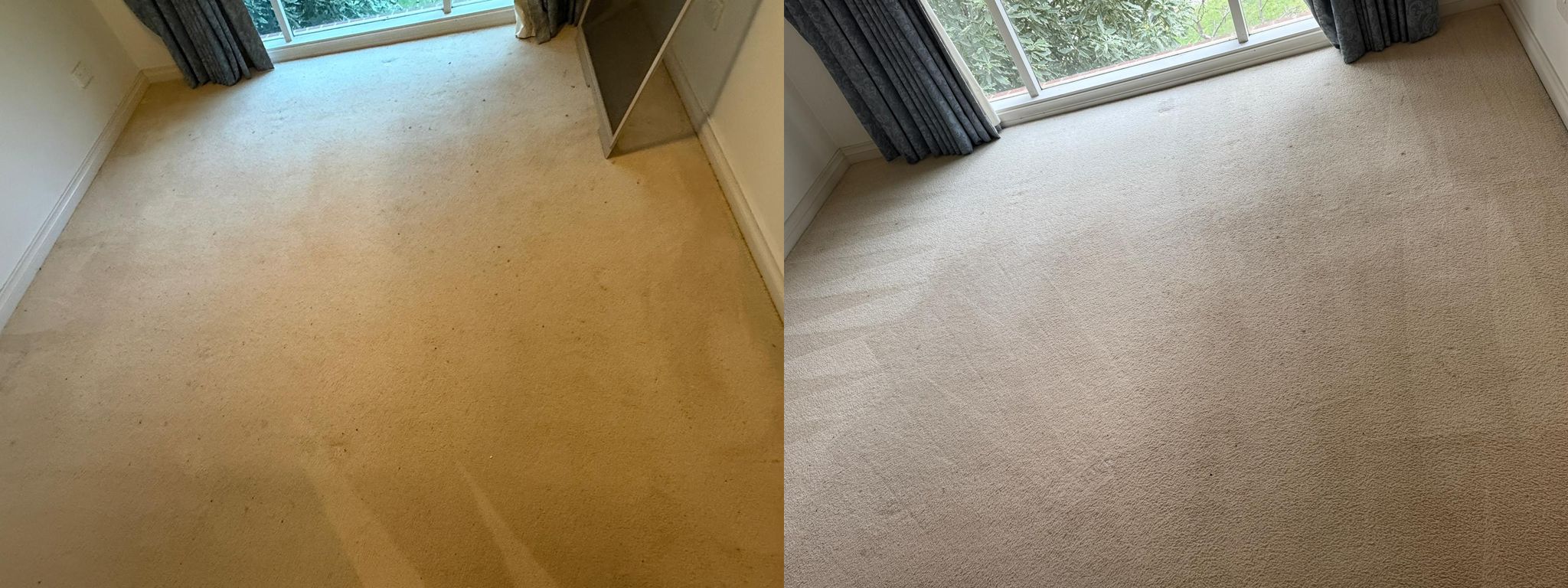
This guide explains common rug stains and odours, why they develop and how professional rug stain removal Melbourne services can help restore heavily affected rugs.
Why Do Rugs Develop Stains and Odours?
Rug fibres can trap dust, soil and other particles over time. When a liquid spill occurs, it may carry dissolved dirt deeper into the fibres. If moisture is not removed properly, it can also contribute to lingering smells.
Some common causes include:
- Coffee and tea spills
- Food and drink accidents
- Mud and outdoor dirt
- Pet urine and other accidents
- Moisture and dampness
- Dust and embedded soil
- Grease and oily substances
The longer a stain remains untreated, the more challenging it may become to remove completely.
Common Rug Stains and How to Treat Them
Different stains require different treatment techniques. Using the wrong product or cleaning method can sometimes spread the stain or affect the rug’s colour.
Coffee and Tea Stains
Coffee and tea are common household spills that can leave noticeable brown marks. If a spill occurs, gently blot the area with a clean absorbent cloth rather than rubbing it.
Blotting helps absorb excess liquid while reducing the chance of pushing the stain deeper into the fibres.
Food and Sauce Stains
Food stains can contain oils, colourants and other substances that cling to rug fibres. Remove solid particles carefully before treating the affected area.
Aggressive scrubbing should be avoided because it can spread the stain and place unnecessary pressure on the fibres.
Mud and Dirt Stains
Mud should generally be allowed to dry before loose particles are removed. Trying to scrub wet mud can spread dirt across a larger section of the rug.
Once loose soil has been removed, the remaining mark can be assessed and treated according to the rug’s material.
Pet Stains
Pet accidents can be particularly difficult because they may leave both visible staining and persistent odours. Liquid can penetrate below the surface, making surface-level cleaning insufficient in some cases.
Professional treatment can assess how deeply the contamination has affected the rug and select a suitable cleaning method.
Why Do Rug Odours Linger?
A rug may continue to smell even after a visible stain has disappeared. This can happen when residue remains within the fibres or backing.
Pet accidents, food spills and moisture are common causes of lingering odours. Simply applying a fragrance may temporarily cover the smell without addressing the underlying source.
Effective odour treatment focuses on removing the dirt or residue responsible for the smell rather than simply masking it.
Professional Rug Stain Removal Process
A professional cleaning process usually begins with an inspection of the rug. The cleaner considers the fibre type, construction, condition and nature of the stain before selecting an appropriate treatment.
Depending on the rug, the process may involve:
- Rug inspection – Identifying the fibre type, condition and affected areas.
- Spot assessment – Determining the likely source and severity of the stain.
- Pre-treatment – Applying a suitable cleaning solution to loosen embedded residue.
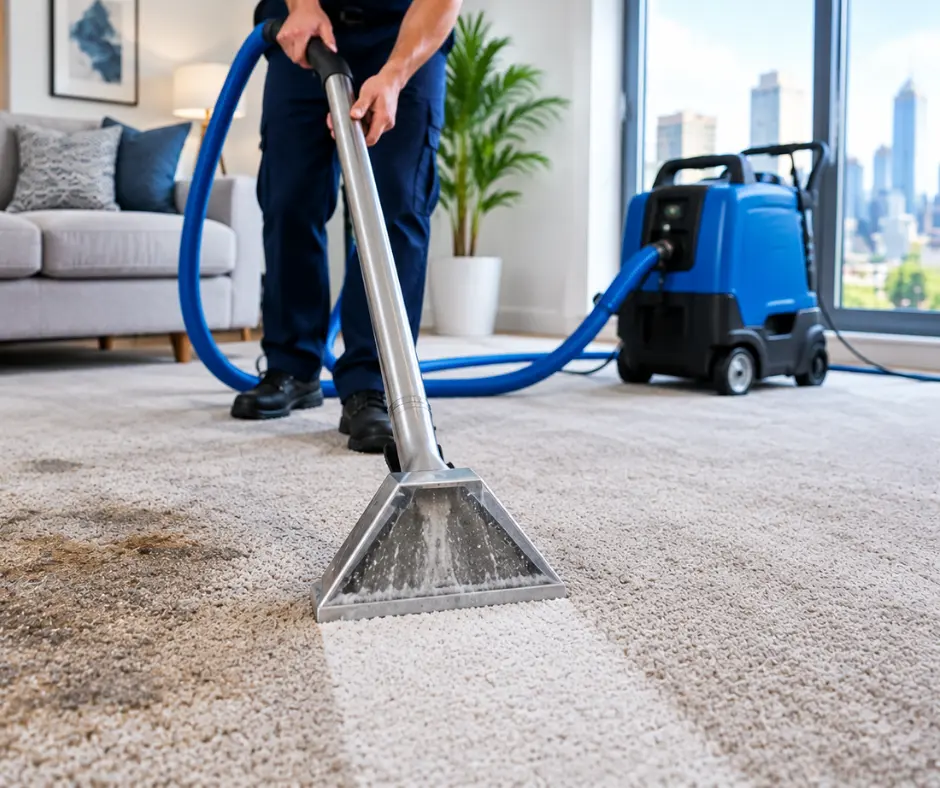
- Deep cleaning – Using an appropriate cleaning method for the rug.
- Extraction – Removing loosened dirt, moisture and cleaning residue.
- Drying – Allowing the rug to dry under suitable airflow and environmental conditions.
This approach helps address stains more systematically instead of treating every rug with the same method.
Why DIY Stain Removal Does Not Always Work
Home cleaning can be useful for dealing with fresh, minor spills, but difficult stains may require more specialised treatment.
Common DIY mistakes include:
- Scrubbing too aggressively
- Using excessive water
- Applying unsuitable household chemicals
- Mixing different cleaning products
- Using excessive heat
- Leaving the rug damp for too long
These mistakes can potentially cause colour bleeding, fibre damage, residue or prolonged drying.
For a broader understanding of professional methods and rug care, read our professional rug cleaning guide.
How to Prevent Rug Stains and Odours
Quick action can make a significant difference when a spill occurs. Blot fresh liquid promptly and avoid rubbing the affected area. Removing solid food particles before they are pressed into the fibres can also help.
Other useful practices include:
- Vacuuming to remove loose dirt
- Keeping outdoor footwear away from rugs
- Addressing spills as soon as possible
- Allowing damp areas to dry properly
- Avoiding excessive moisture during home cleaning
- Having difficult stains assessed before using strong chemicals
Prevention does not guarantee that a rug will remain stain-free, but it can reduce the build-up of dirt and help maintain its appearance.
When Should You Choose Professional Rug Cleaning?
Professional cleaning may be worth considering when a rug has stubborn stains, persistent odours or embedded dirt that basic cleaning cannot remove.
It can also be a better option for valuable, delicate or heavily soiled rugs where using an unsuitable household product could cause damage.
The appropriate cleaning method depends on the rug’s material, construction, condition and the type of contamination present.
Professional Rug Stain Removal in Melbourne
Stains and odours can affect both the appearance and freshness of a rug. Prompt treatment can help limit the spread of spills, while professional cleaning can provide a more thorough approach for stubborn or deeply embedded contamination.
Boost Carpet Cleaning Melbourne provides professional rug cleaning solutions designed to treat dirt, stains and odours while considering the specific requirements of different rugs.
If your rug has stubborn marks or unpleasant odours, Contact Boost Carpet Cleaning Melbourne for professional rug cleaning assistance in Melbourne.