Keeping a home clean involves more than removing visible dust and wiping down surfaces. Different materials collect different types of dirt, and using the wrong cleaning method can sometimes cause damage rather than improve their appearance. Carpets, sofas, mattresses, rugs and tiled floors all require suitable care.
Understanding the best home cleaning methods can help homeowners make better decisions about household hygiene and furniture care. Whether you are dealing with a carpet stain, dusty upholstery or discoloured grout, choosing an appropriate cleaning approach can make the task more effective.
1. Understand the Cleaning Needs of Each Surface
One of the most important steps in home cleaning is recognising that every surface has different requirements.
For example, a tiled kitchen floor may need attention to grease and grout buildup, while a fabric sofa may collect body oils, food particles and dust. Carpets can trap loose soil within their fibres, and mattresses may accumulate perspiration and other particles.
Before selecting a cleaning product or tool, consider:
- The material being cleaned.
- The type of dirt or stain present.
- Whether the surface is delicate or colour-sensitive.
- The manufacturer’s care instructions.
- Whether moisture or particular chemicals could cause damage.
This simple assessment helps prevent the common mistake of using one cleaning product for every part of the house.
2. Choose the Right Method for Carpet Cleaning
Carpets experience considerable foot traffic and can collect dust, mud, food crumbs, pet hair and accidental spills. Regular vacuuming as a household task helps remove loose debris, but it may not address all the soil embedded within carpet fibres.
Practical Carpet Care
Start by using a suitable vacuum cleaner and paying attention to entrances, hallways and other high-traffic areas. When a spill occurs, blot it gently with a clean cloth rather than rubbing it into the carpet.
Avoid applying excessive water or several cleaning products to the same stain. Different carpet fibres and stains may require different treatments.
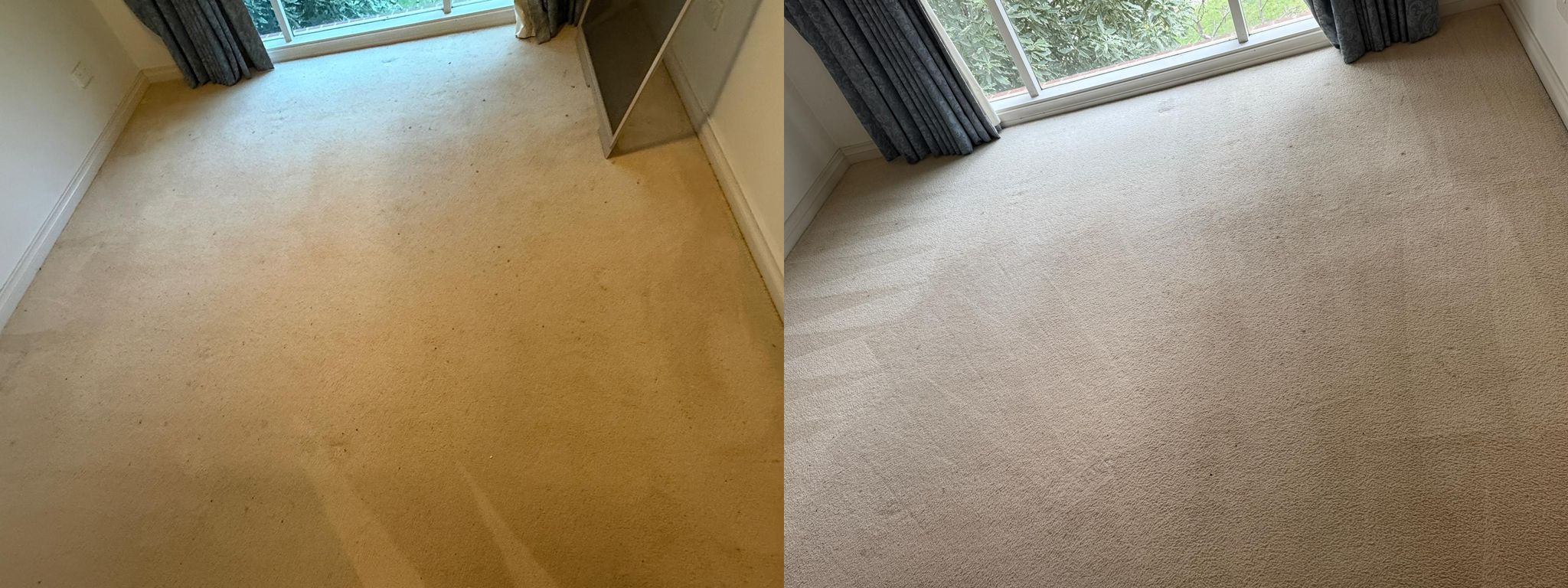
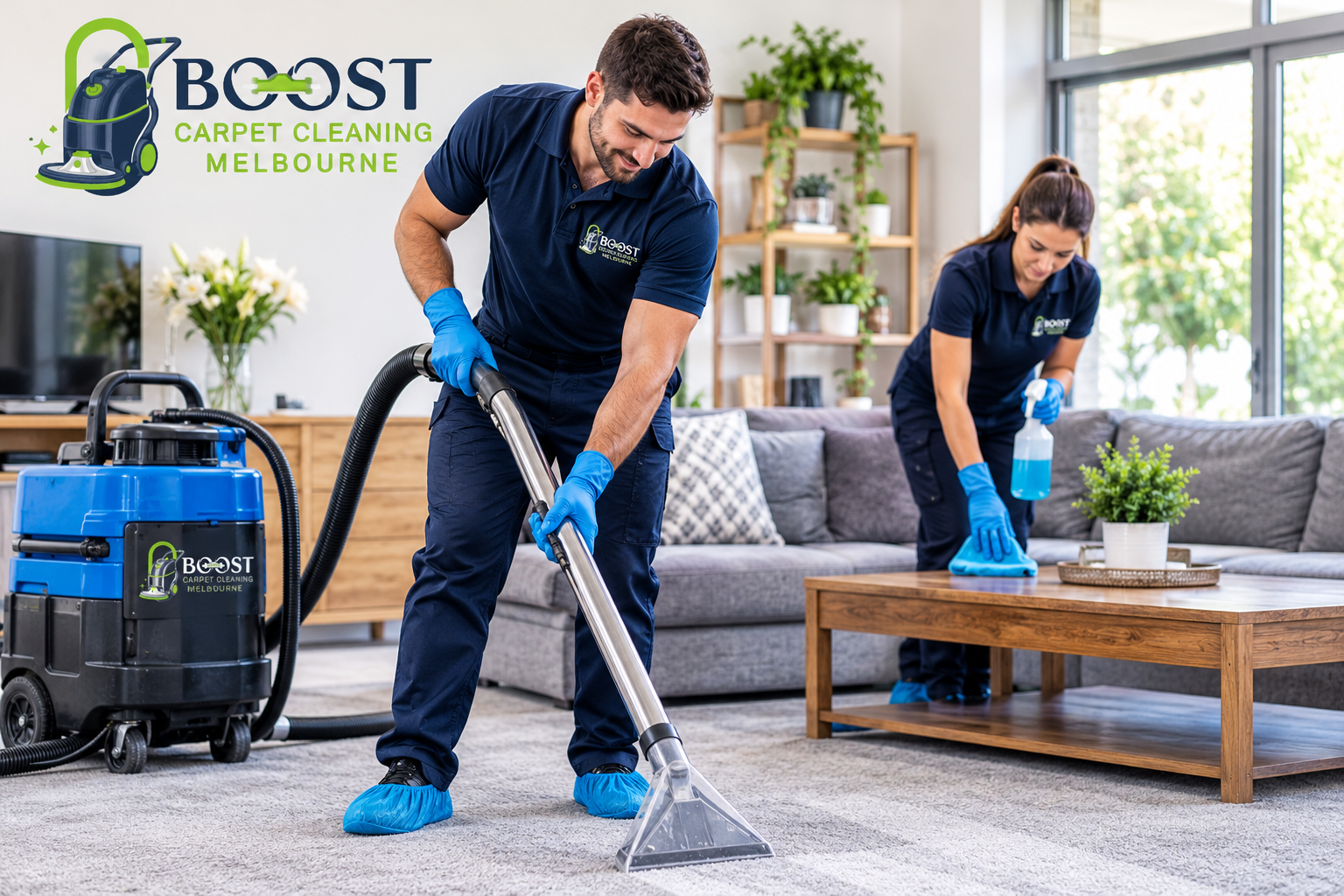
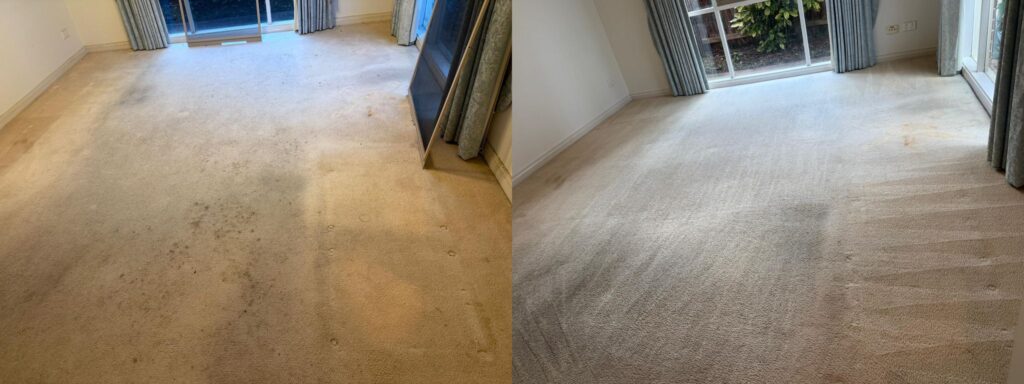
For carpets with stubborn marks or deeper soil buildup, professional extraction cleaning may be worth considering. Hot water extraction introduces cleaning solution and water into the carpet before extracting moisture and loosened dirt.
The method should be selected according to the carpet’s construction and condition.
3. Give Upholstered Furniture the Correct Care
Sofas, couches, armchairs and dining chairs are used frequently, making them vulnerable to dust, food spills, body oils and pet hair.
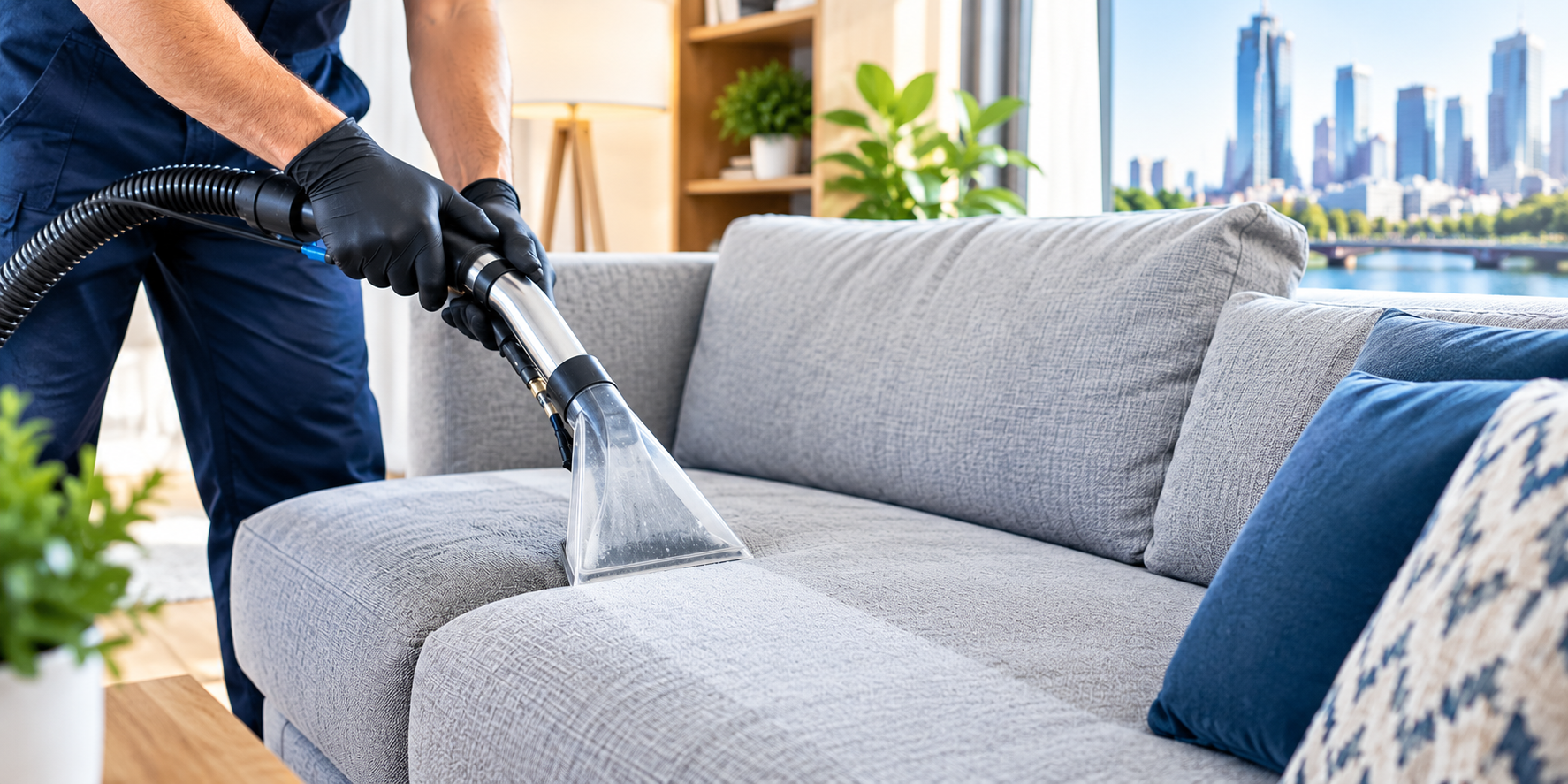
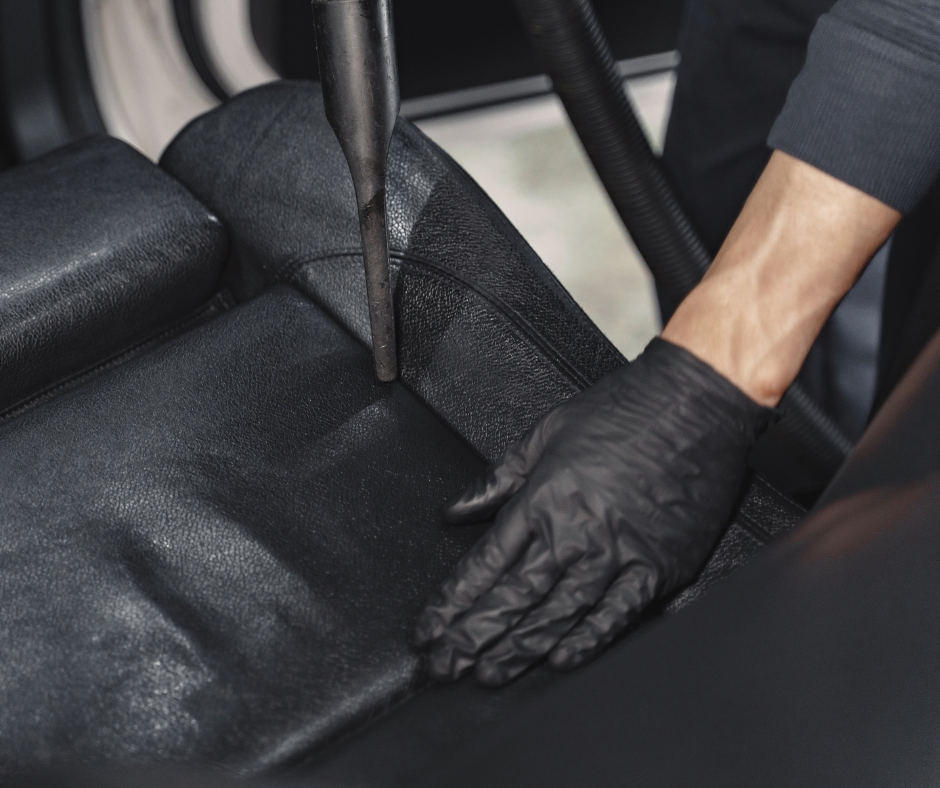
Vacuuming with an upholstery attachment can help remove loose particles from cushions and difficult-to-reach areas. However, deeper stains may require a different approach.
Protect Different Fabric Types
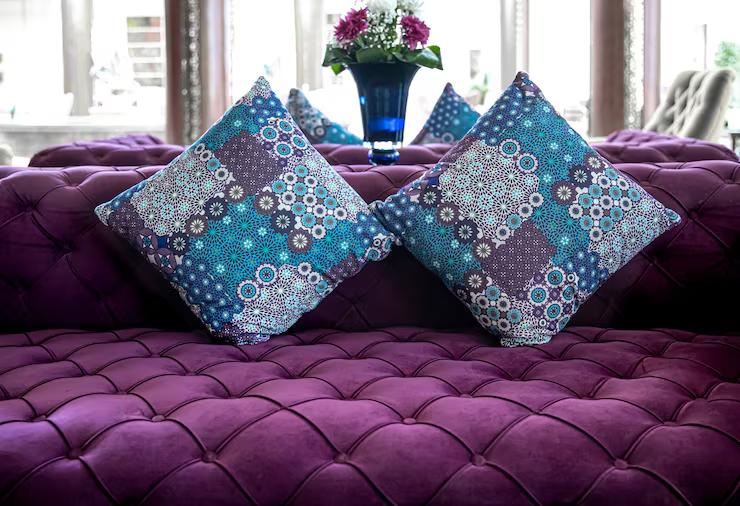
Cotton, linen, velvet and synthetic upholstery do not necessarily respond to the same cleaning products or moisture levels.
Before treating a sofa, check its manufacturer’s care label. If a cleaning product is suitable, follow its instructions and test it on an inconspicuous area where appropriate.
Professional upholstery cleaning can help address accumulated soil and many common stains. The cleaning method may involve wet cleaning, low-moisture treatment or another suitable technique, depending on the fabric.
Avoid scrubbing delicate materials aggressively, as this may affect their texture or appearance.
4. Do Not Forget Mattresses and Rugs
Mattresses and rugs are sometimes overlooked when considering the best home cleaning methods, but both deserve attention.
Mattress Cleaning
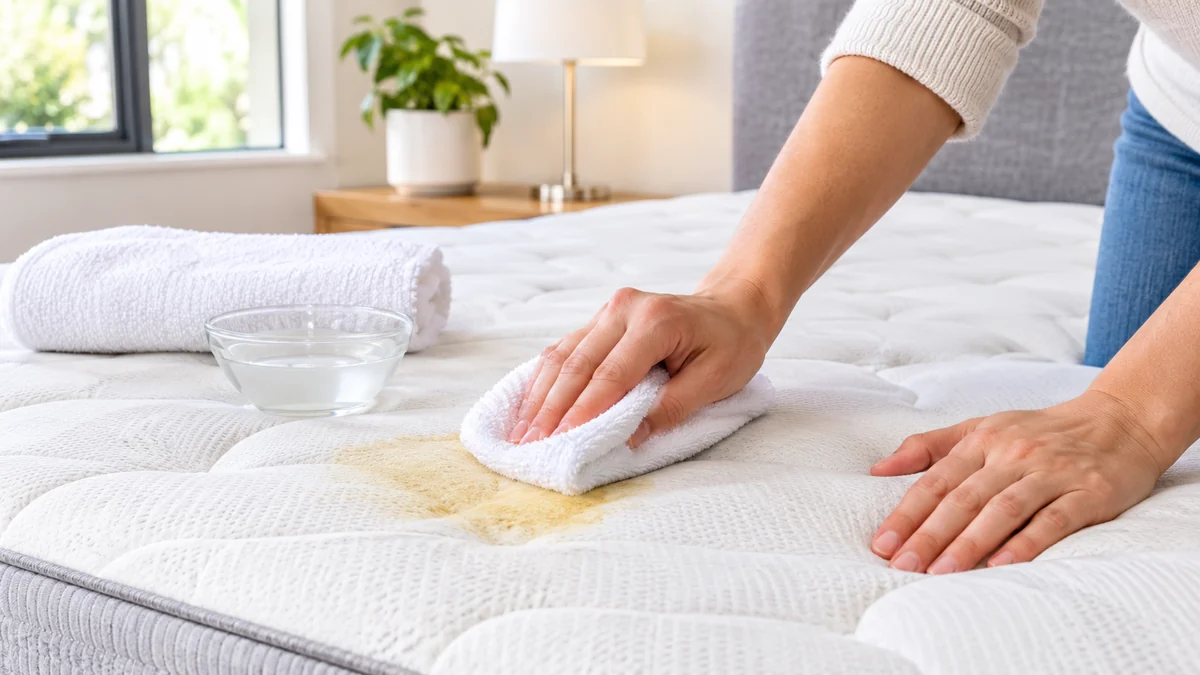
Mattresses can collect perspiration, skin particles and dust. Using a suitable mattress protector and keeping bedding clean can help protect the sleeping surface.
Vacuuming with an appropriate attachment may remove loose surface particles. For visible stains or deeper cleaning concerns, the mattress material should be assessed before selecting a treatment.
Rug Cleaning
Rugs can collect dirt, food crumbs, pet hair and stains, especially in living rooms and entryways.
Vacuuming is useful for removing loose debris, but delicate rugs may require specialised care. Wool, synthetic and other fibre types should not automatically receive identical cleaning treatments.
Professional rug cleaning can help address accumulated soil and stains while taking the rug’s material into account.
5. Pay Attention to Tiles and Grout
Tiled surfaces are common in kitchens, bathrooms, laundries and entryways. Although tiles are generally straightforward to wipe, grout lines can hold dirt and cleaning residue.
Mopping removes surface soil, but it may not fully address grime embedded within grout.
For everyday care, use a suitable floor-cleaning product and follow the manufacturer’s recommendations. Avoid abrasive tools and harsh chemicals, particularly on delicate finishes and natural stone.
When grout becomes noticeably discoloured, professional tile and grout cleaning may help address deeper buildup. The appropriate method depends on the tile material, grout condition and type of contamination.
6. Use Cleaning Products and Equipment Carefully
Effective cleaning depends on using appropriate products and equipment rather than simply choosing the strongest available solution.
Keep these points in mind:
- Read product labels before use.
- Never mix household cleaning chemicals.
- Check whether a product is suitable for the surface.
- Test appropriate products on an inconspicuous area.
- Use the recommended quantity.
- Follow manufacturer instructions for appliances and cleaning equipment.
Microfibre cloths, suitable vacuum attachments and surface-specific tools can make household tasks easier. For deeper carpet, upholstery and tile cleaning, specialised professional equipment may be more appropriate than standard household tools.
7. Recognise When Professional Cleaning Is Suitable
Some household cleaning tasks can be managed with basic equipment, while others may require specialised knowledge or machinery.
Professional cleaning may be worth considering when carpets have embedded soil, upholstery contains difficult stains, mattresses require deeper attention, rugs need material-specific treatment or grout has accumulated stubborn grime.
Boost Carpet Cleaning Melbourne provides professional cleaning options covering carpets, upholstery, mattresses, rugs, pet stain and odour removal, and tile and grout surfaces.
The right service depends on the material and the cleaning problem. Understanding these requirements helps homeowners make an informed decision instead of choosing a method based only on convenience.
Conclusion
The best home cleaning approach is not about using the same product or technique everywhere. It involves understanding different surfaces, identifying the type of dirt and selecting suitable cleaning methods.
From carpet care and upholstery cleaning to mattress, rug and tile maintenance, making informed choices can help protect household surfaces and improve their appearance.
If your Melbourne home needs professional attention for carpets, upholstery or other specialised surfaces, contact Boost Carpet Cleaning Melbourne to discuss your cleaning requirements and request a quote.